About
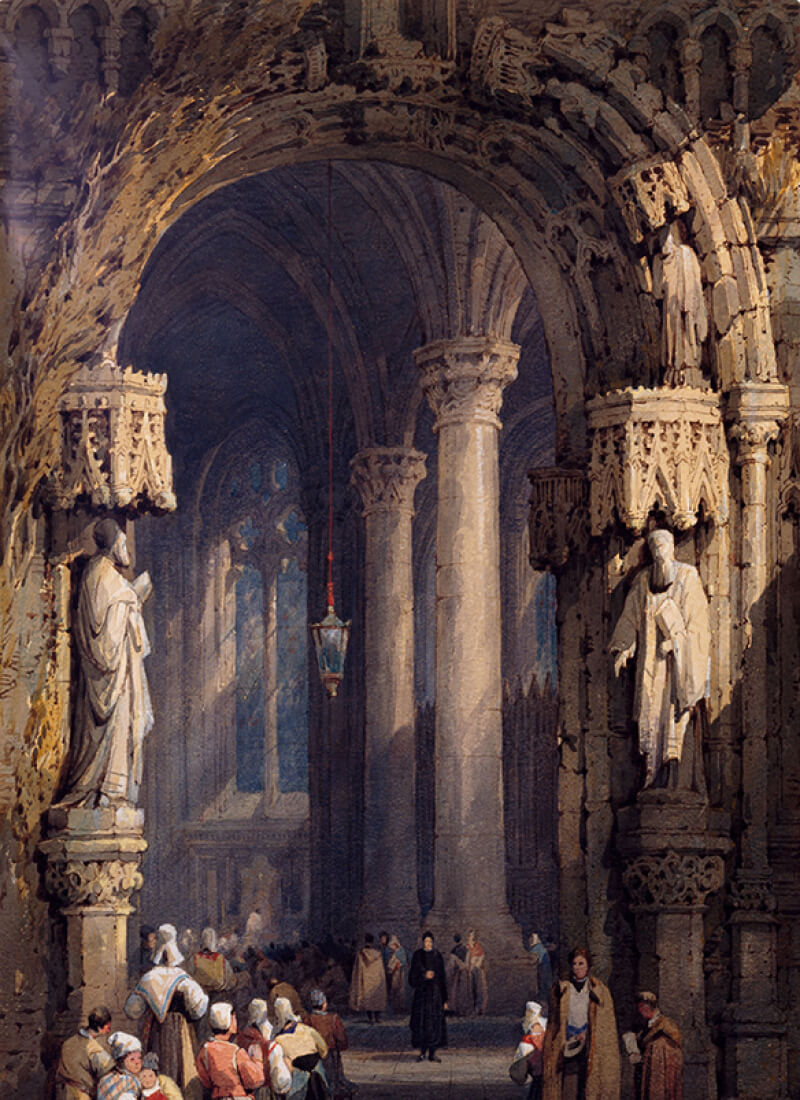
"A painter can say all he wants to with fruits or flowers or even clouds." — Édouard Manet
My vibrant, colorful paintings have been exhibited in galleries across the world, and I also offer custom painting services to make your dream artwork come to life!
At a young age I developed a love for painting and drawing, and have been honing her craft ever since. The Layers of Meaning Historically, still life paintings have served three primary purposes: 1. The "Memento Mori" (Remember You Must Die) This is perhaps the most famous theme in still life history. Artists use specific objects to remind the viewer that life is fleeting and worldly possessions are temporary. Skulls or Hourglasses: Blatant symbols of mortality. Rotting Fruit or Wilting Flowers: A reminder that beauty fades. Bubbles: Represent the fragility and shortness of life. 2. Celebration of Wealth and Status In the 17th-century Dutch Golden Age, still life was the "Instagram flex" of its day. These paintings, called Pronkstilleven (ostentatious still life), showcased: Exotic Imports: Rare citrus, Chinese porcelain, or expensive spices. Technical Mastery: Artists would paint reflective silver or transparent glass to prove their elite skill and the owner's sophisticated taste. 3. Religious and Moral Symbolism Long before everyone was literate, objects carried "secret" meanings that viewers would immediately recognize: Bread and Wine: The Eucharist/Body and Blood of Christ. Pomegranates: Resurrection or fertility. Apples: Knowledge or temptation (The Fall of Man).
Artistic background
Evolution Through Art History
Contact
Contact me to discuss your painting needs. Let’s bring your dream artwork to life!
- 0582895604
- gruzin9981@gmail.com
- Art Tower - Al Raffa - Dubai